The Last Answer
There is a particular silence spreading through the hypercar world.
Not the silence of restraint. The silence of surrender.
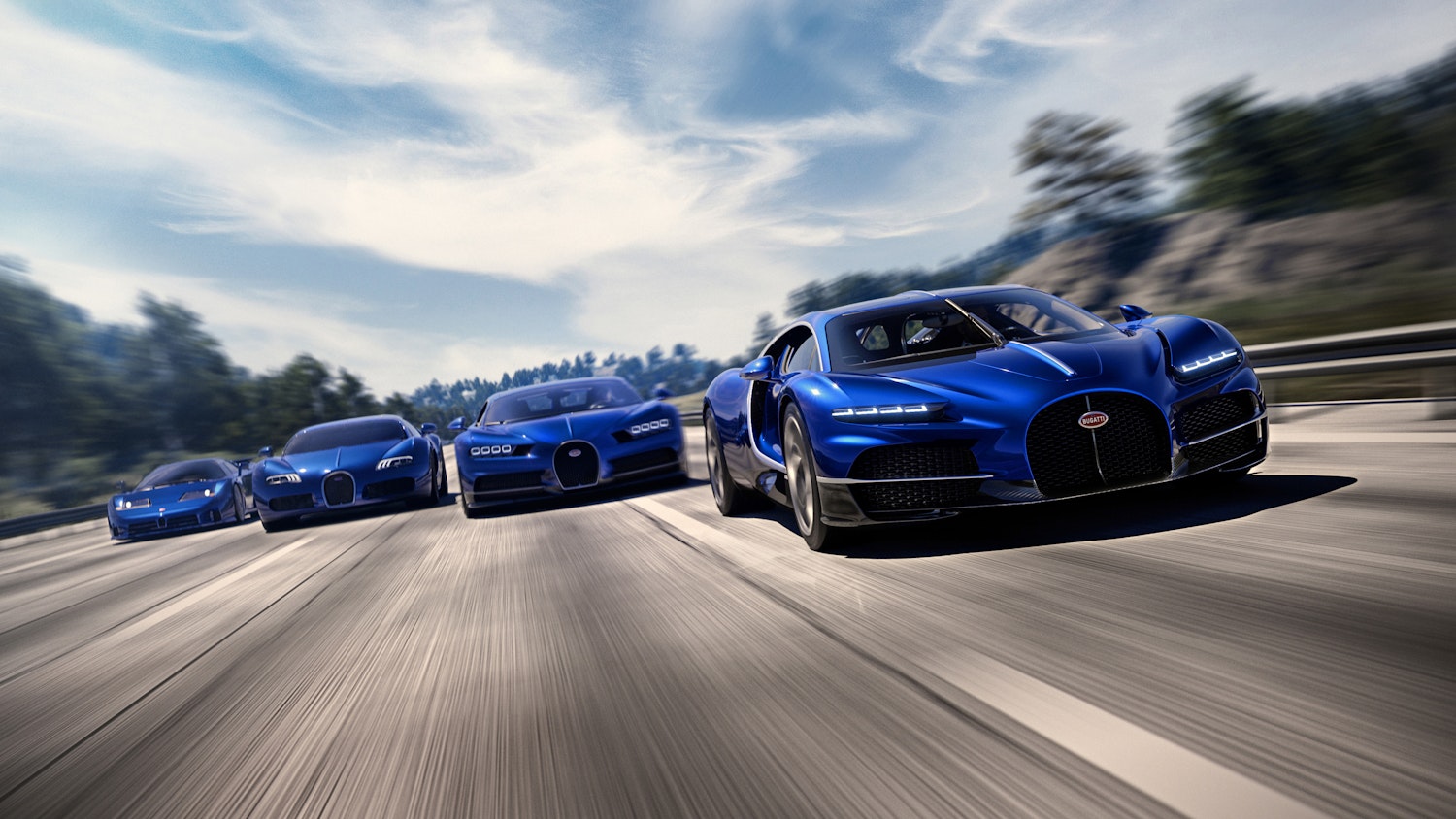
One by one, the great houses have bowed to the battery — and the combustion engine, for so many, has become an apology written in metal and rubber.
Bugatti did not apologise.
In June 2024, they pulled into Molsheim's courtyard and answered the silence with sixteen cylinders. Eight point three litres. No turbochargers. No superchargers. Just displacement, geometry, and a level of mechanical conviction that borders on defiance.
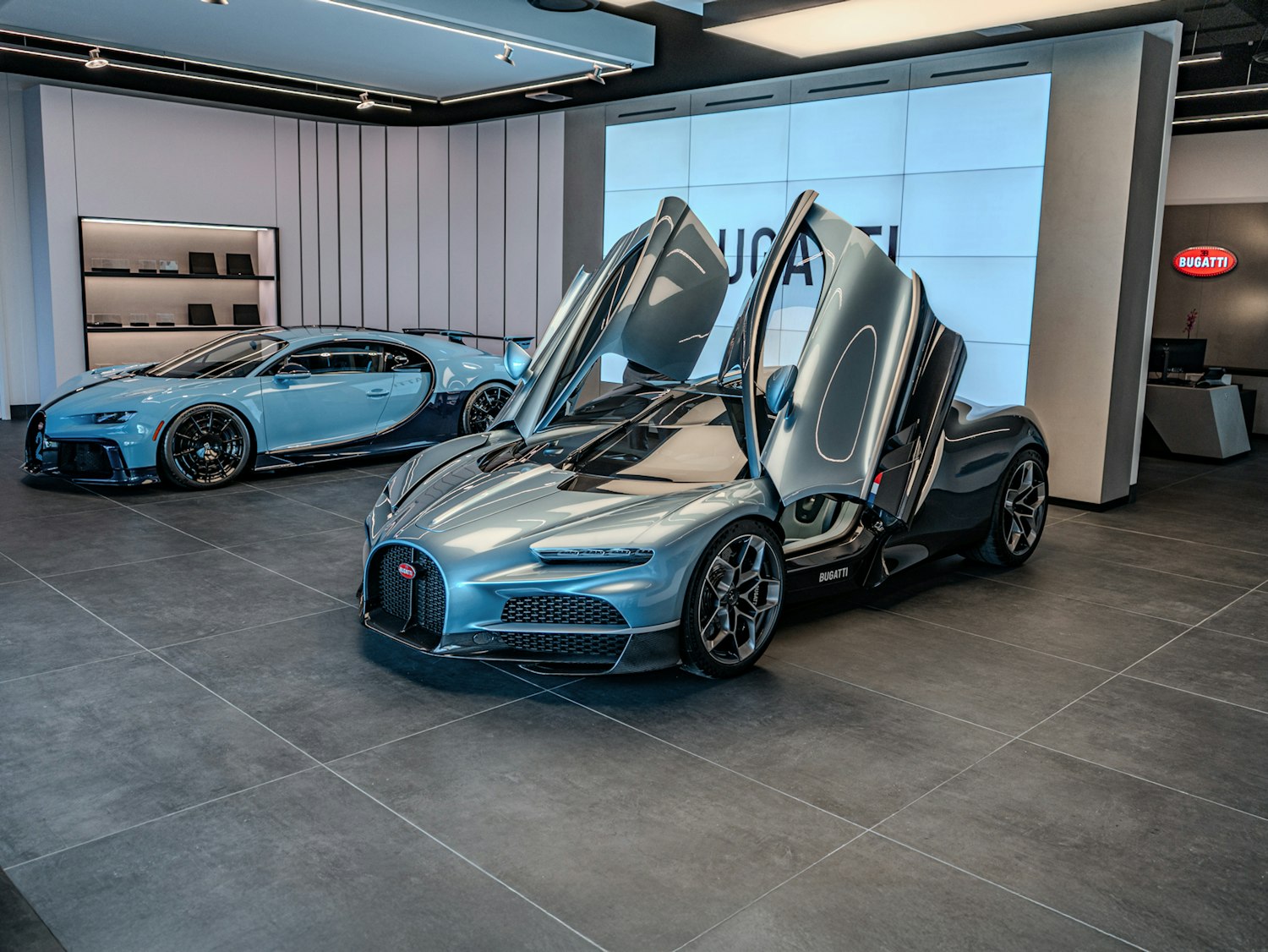
The Tourbillon is not a nostalgia act. It is a philosophical statement — and it will reach the hands of 250 collectors from 2026 onwards — securing its place among the most exclusive supercars of 2026.
A New Machine. A New Chapter.
The Tourbillon is the official successor to the Chiron. That is not a small inheritance. The Chiron redefined what a production car could be for nearly a decade. Bugatti didn't update it. They buried it — and built something entirely new from the ground up.
New carbon monocoque. New platform, dimensioned specifically around a longitudinal V16 and a full hybrid architecture. An interior drawn not from automotive convention, but from Swiss haute horlogerie.
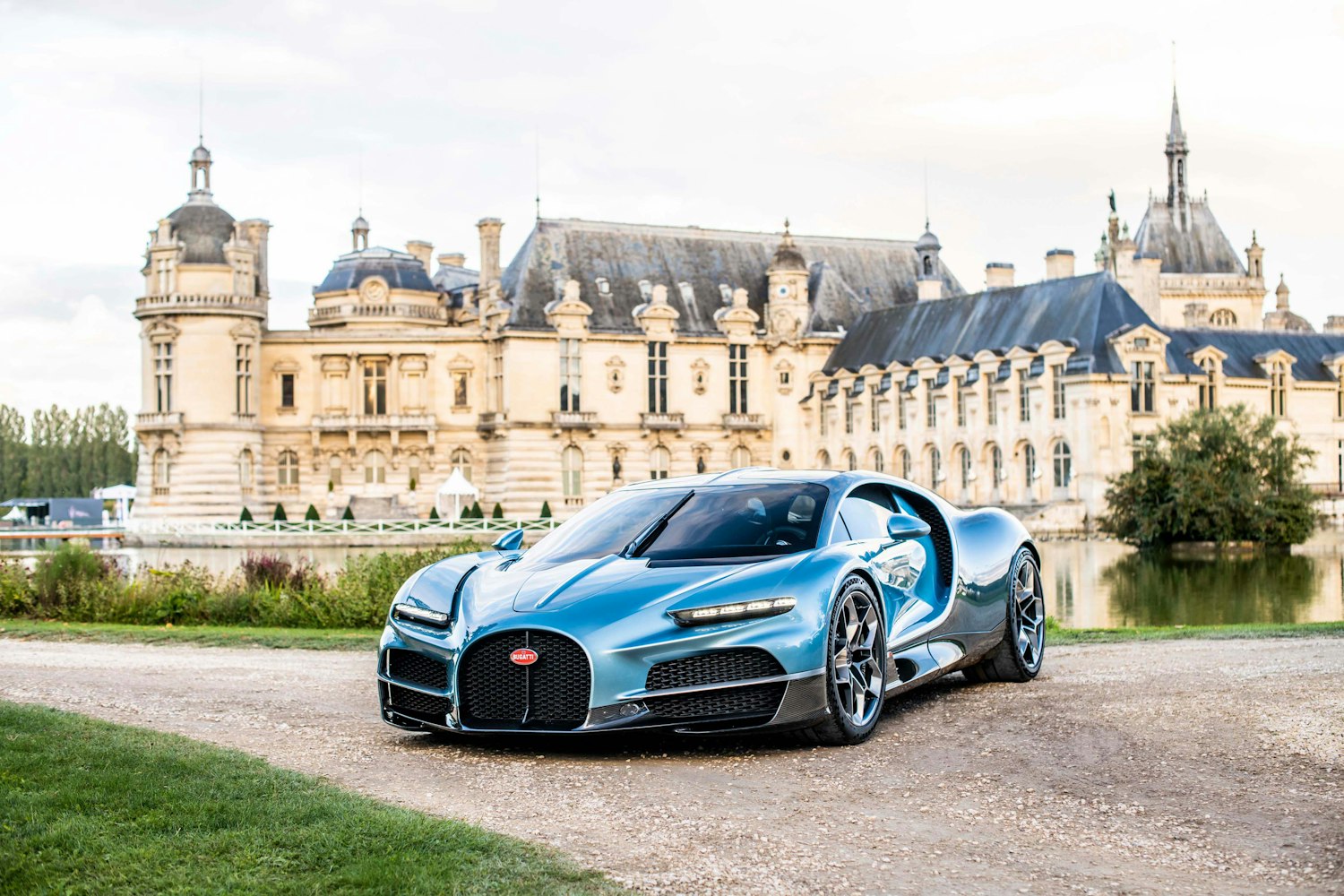
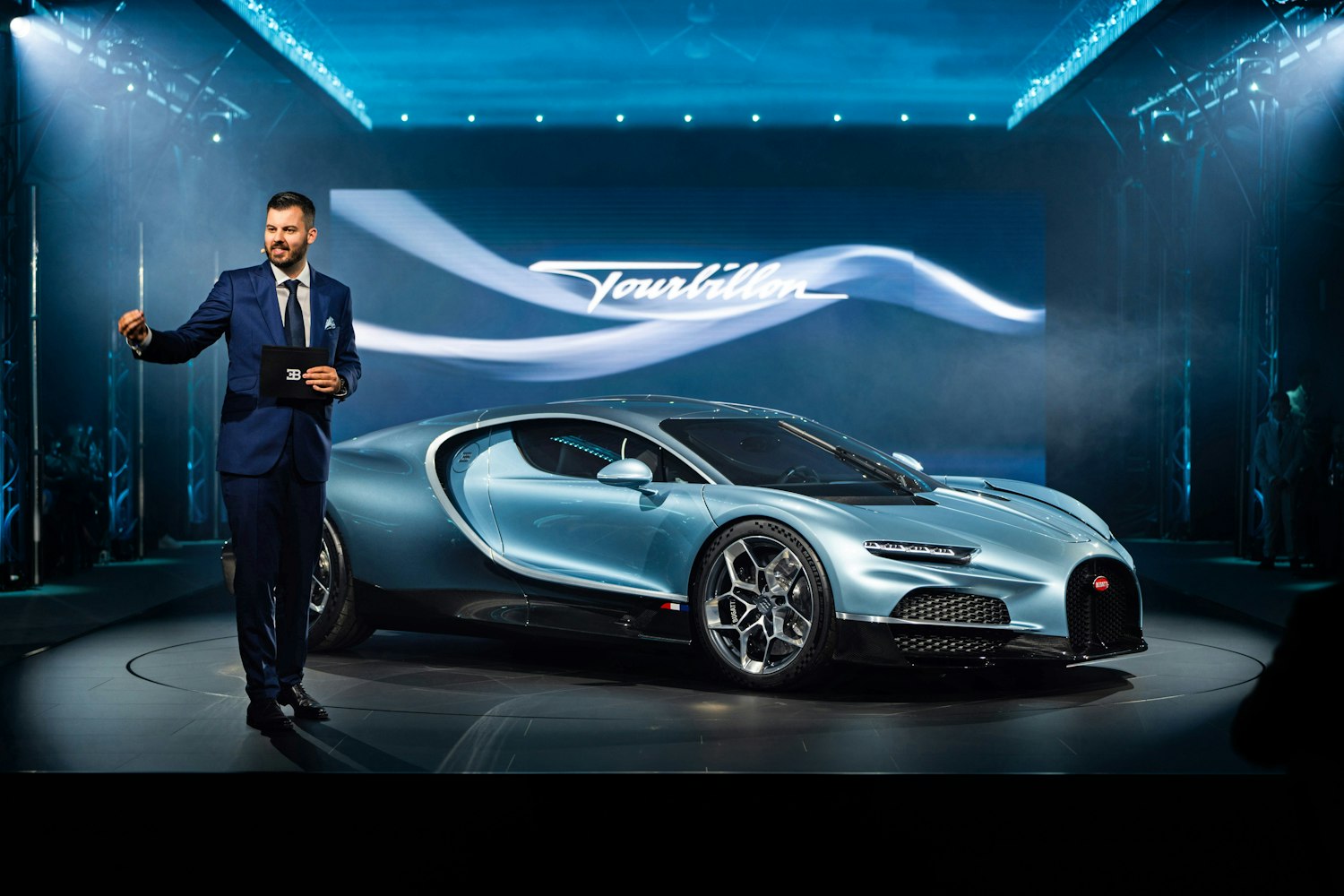
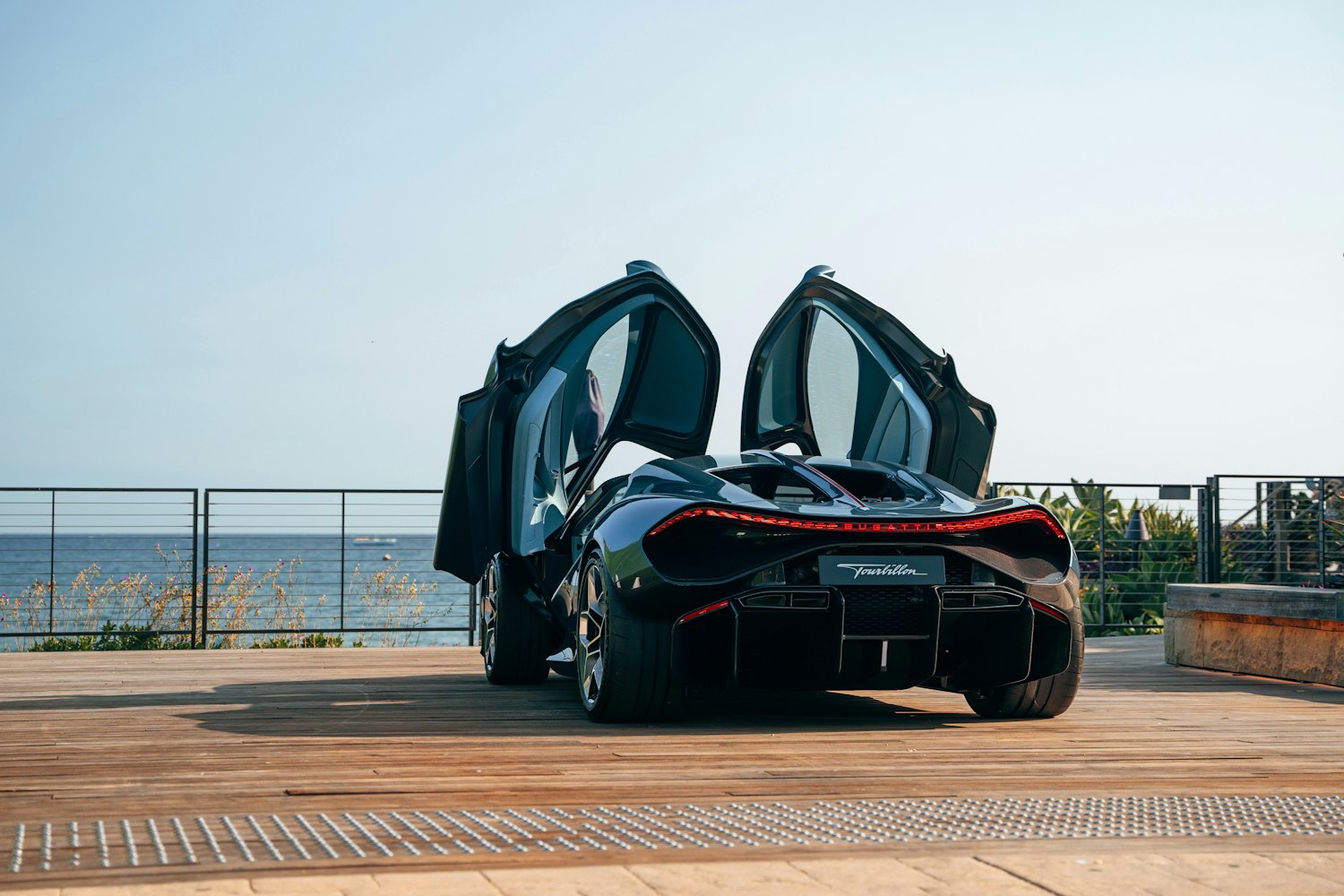
Unveiled on 20 June 2024, priced from €3.8 million before taxes — a figure that climbs comfortably past €4.5 million once options and regional taxation enter the picture. Production is limited to 250 hand-assembled cars at the Atelier in Molsheim. Prototypes are already on public roads.
This is not a concept. This is a car that will exist, that will be driven, and that will almost certainly be the most sonically violent machine of this decade.
The Engine That Changed the Conversation
Bugatti developed the Tourbillon's heart in partnership with Cosworth. The result: an 8.3-litre naturally aspirated V16 spinning to approximately 9,000 rpm, producing around 986 horsepower on its own. No forced induction. No shortcuts. Explore the full technical details on Bugatti's official site.
At 9,000 rpm, sixteen cylinders do not produce sound.
They generate atmosphere — a frequency that occupies a room before the car enters it.
The decision to go naturally aspirated was not the easy one. Forced induction delivers peak numbers with less complexity. But Bugatti's argument is coherent: the character of a naturally aspirated engine — its throttle response, its linearity, its acoustic honesty — cannot be replicated. Hybrid torque fills the gaps. The V16 defines the soul.
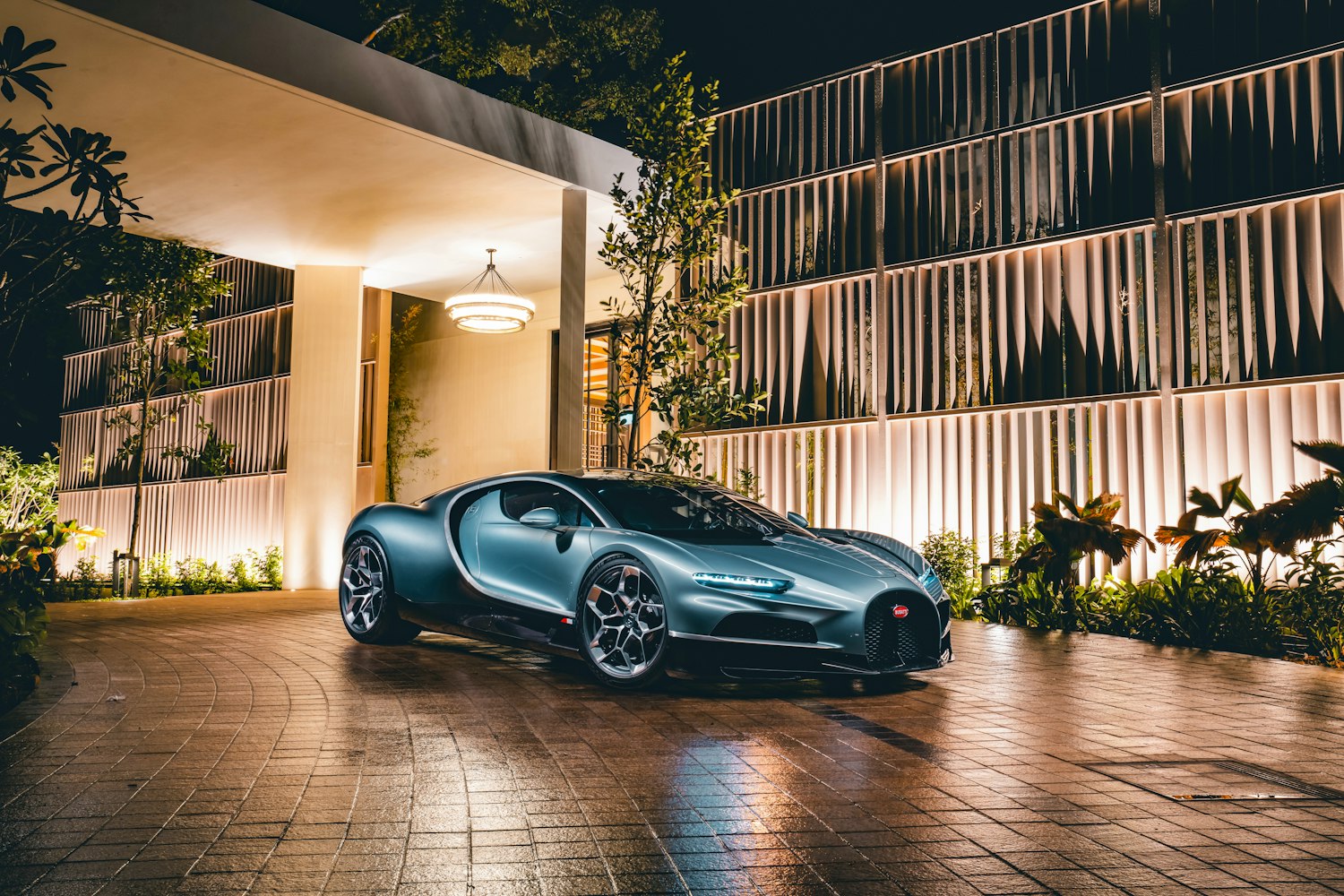
Three electric motors complete the powertrain. Two on the front axle, one at the rear, delivering roughly 800 horsepower of electric contribution. System total: approximately 1,800 horsepower — around 1,343 kW — through an eight-speed dual-clutch to all four wheels. The architecture runs on 800 volts. The battery holds 24.8 kWh, good for over 60 kilometres of pure-electric range, for those occasions that demand discretion.
What the Numbers Actually Mean
At this level, performance figures risk becoming abstractions. They exist beyond what roads permit or human reflex can process. But they deserve to be stated clearly — because they represent the outer boundary of what engineering currently knows how to do.
Zero to 100 km/h in 2.0 seconds. 200 km/h in under five. 300 km/h in under ten. 400 km/h in under twenty-five.
Take a moment with that last one.
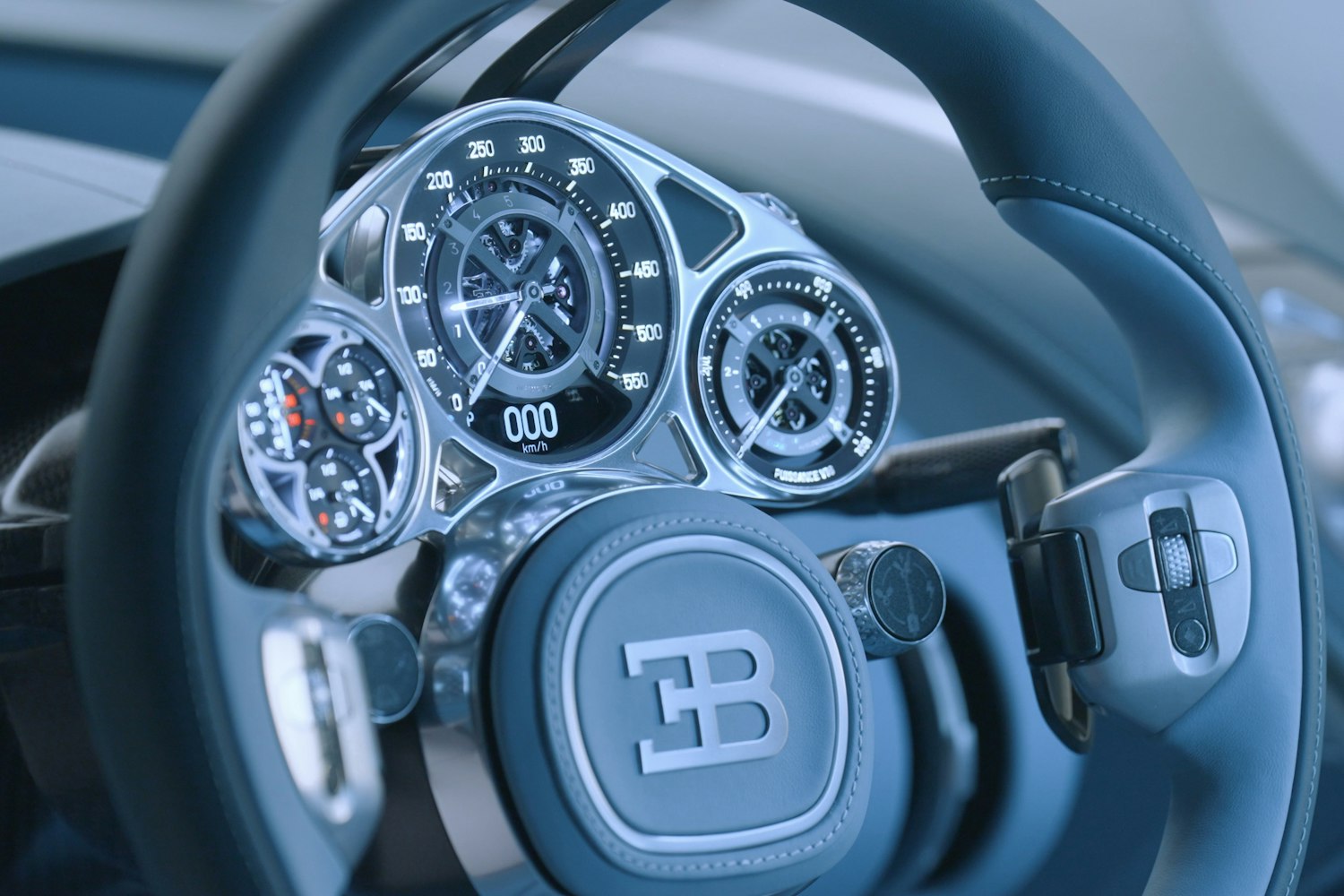
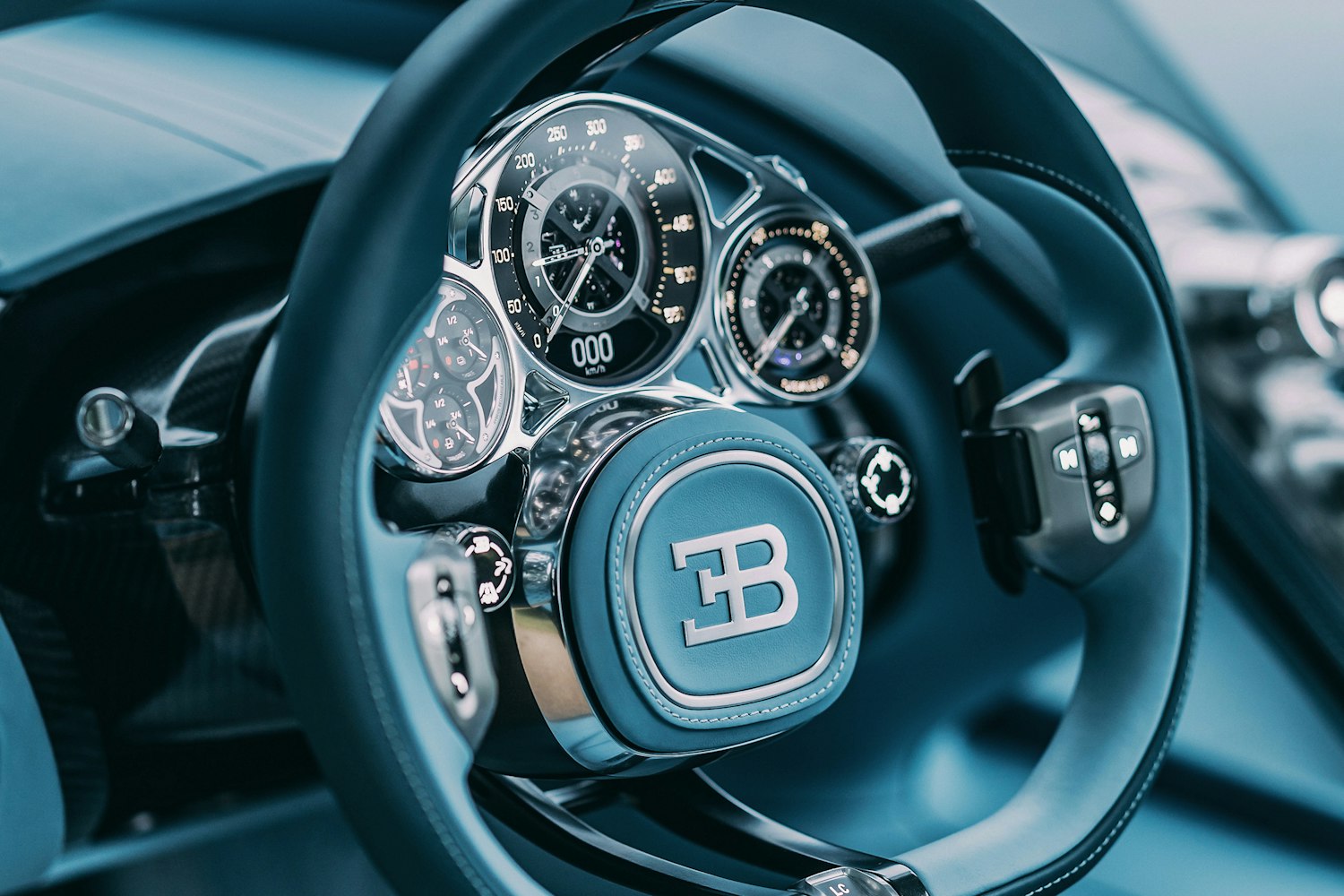
In standard configuration, top speed is electronically limited to 380 km/h. Insert the Speed Key — a Bugatti tradition, carried forward with quiet confidence — and that ceiling lifts to 445 km/h. The speedometer is graduated to 550 km/h. Whether that scale will ever be tested is another question. Its presence is architectural — a statement of what the machine believes itself to be.
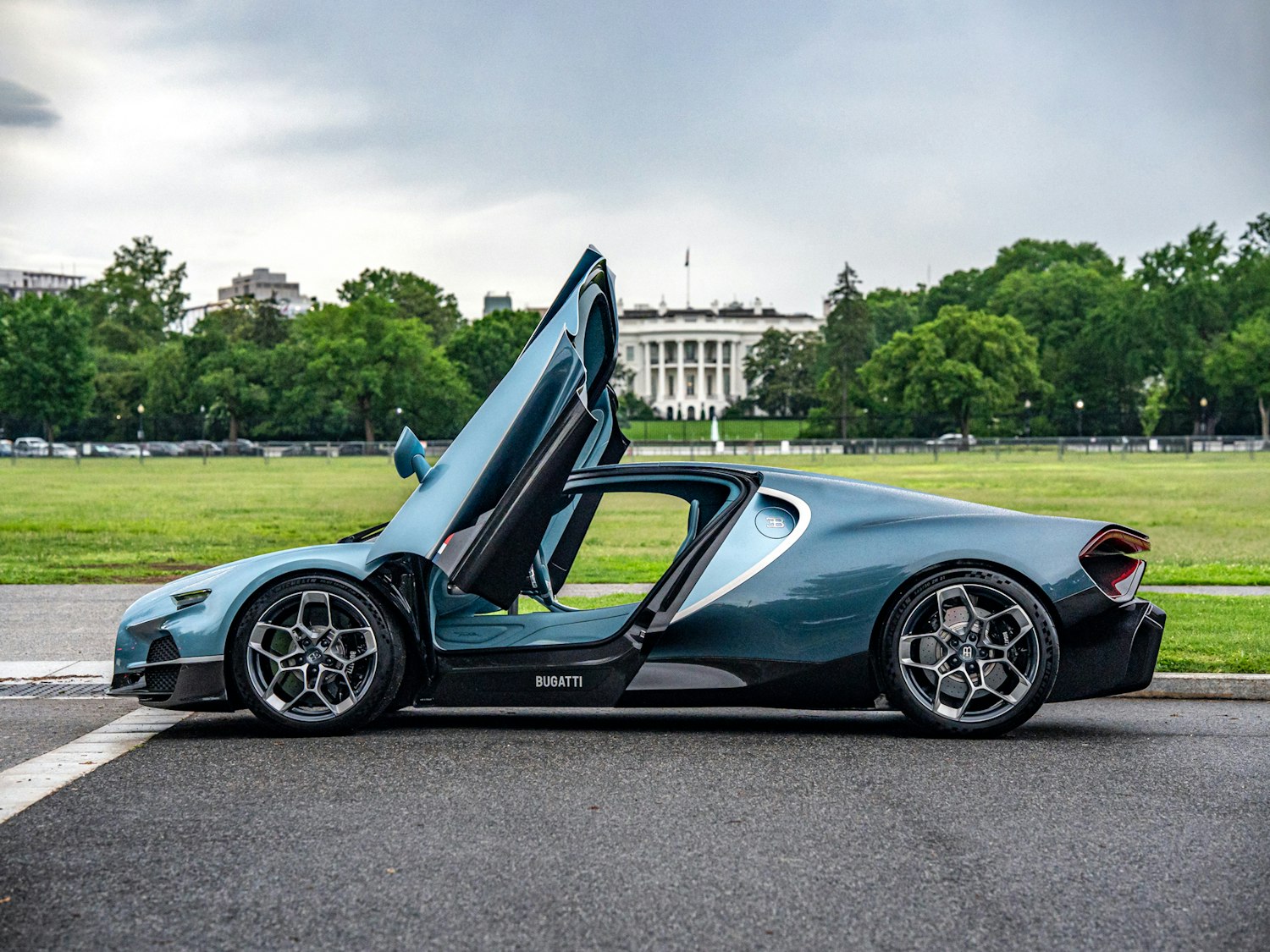
Despite the hybrid system and battery mass, Bugatti claims the Tourbillon comes in below 1,995 kilograms — lighter than the Chiron it replaces. Packaging a V16, three electric motors, an 800-volt battery, and a new carbon monocoque beneath that weight is the quietly extraordinary part of the story. The detail that gets buried under the horsepower headline.
The Interior: Watchmaking as Ergonomics
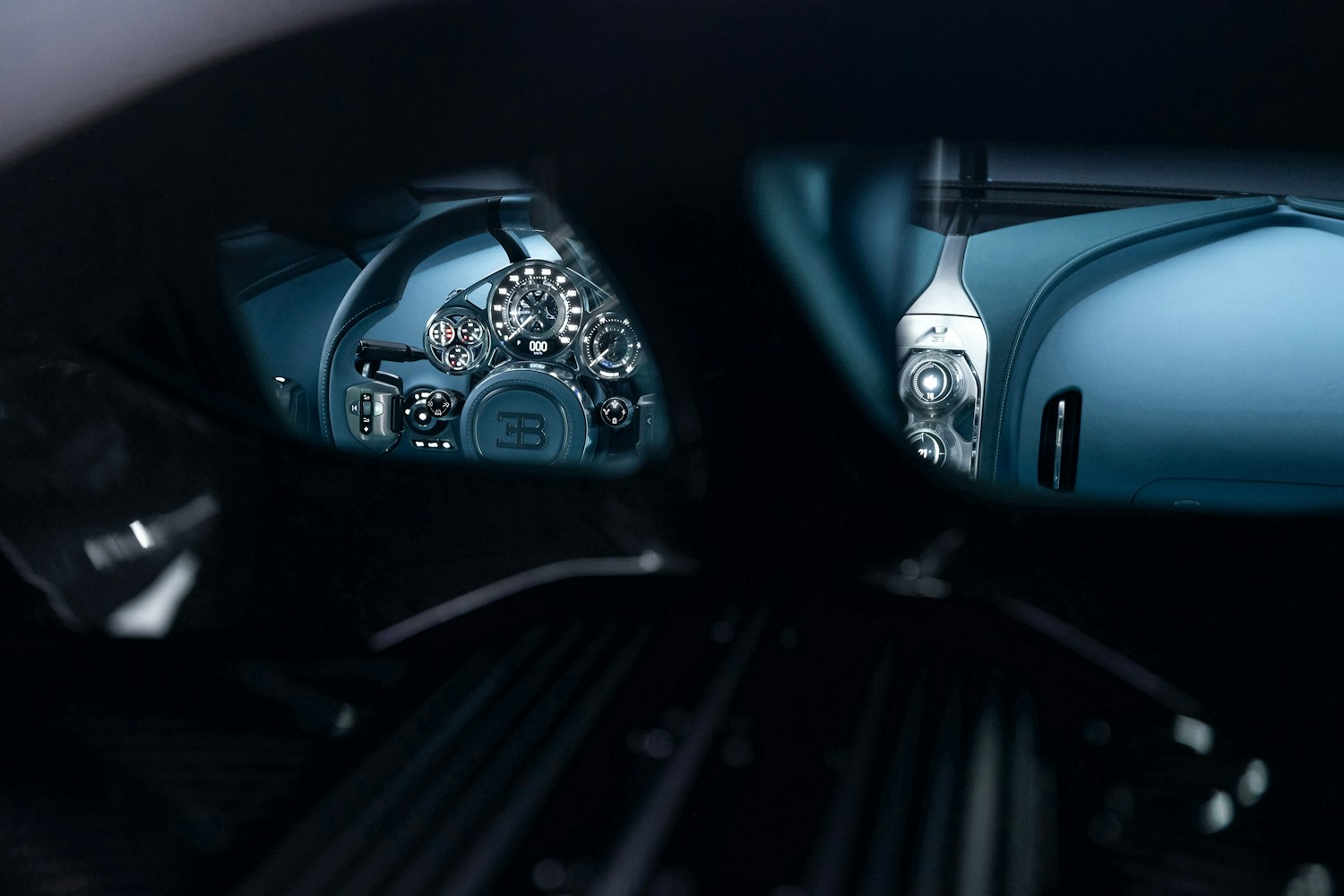
Bugatti understands that the cabin is where a car's character is most intimately felt. In the Tourbillon, they brought in Swiss watchmakers to design the instrument cluster — a precision-finished assembly of analog dials and hands that functions less like automotive instrumentation and more like a movement under glass. The kind of object you study at rest, before a wheel has turned.
The infotainment screen exists, but it knows its place: a rotating panel, minimalist in form, that retreats when it isn't needed. Bugatti's position — stated through design, not press releases — is that the driver's attention belongs to the road and the machine.
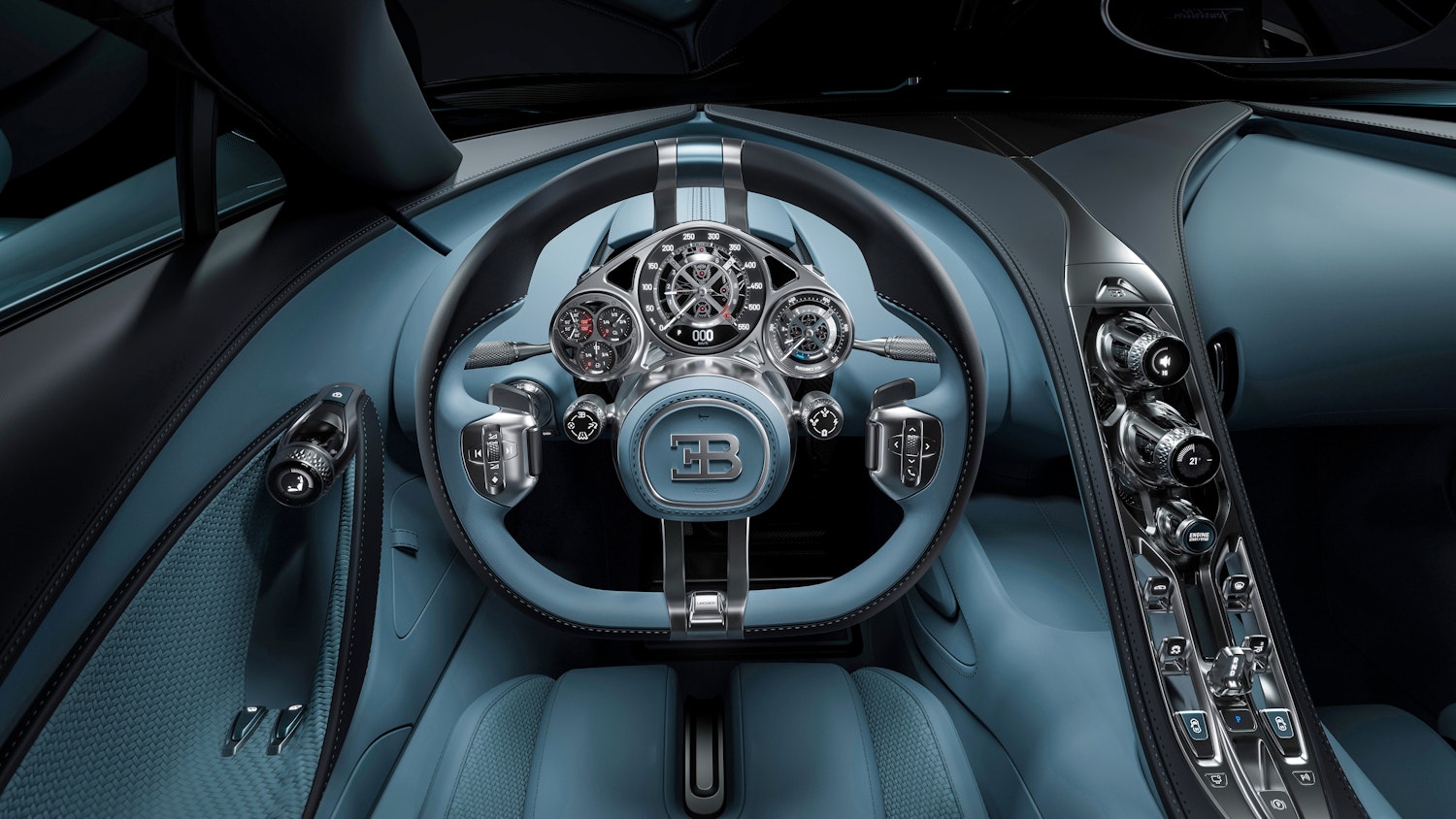
It takes confidence to make that argument in 2024, when every other manufacturer is expanding screen real estate as a proxy for technological credibility. Bugatti argues the opposite. And it lands.
The Bet — And Why It Makes Sense
Why a V16, now? When the regulatory trajectory is clear. When every macro trend points toward electrification. When Ferrari and Lamborghini are hedging toward hybrid-dominant futures.
Because 250 cars is not a volume. It is a declaration.
The Tourbillon will not move the needle on global emissions. It will not define a downstream platform or fund the next generation of everyday cars. What it will do is exist — completely and without compromise — as the fullest possible expression of what Bugatti believes a driver's car should be.
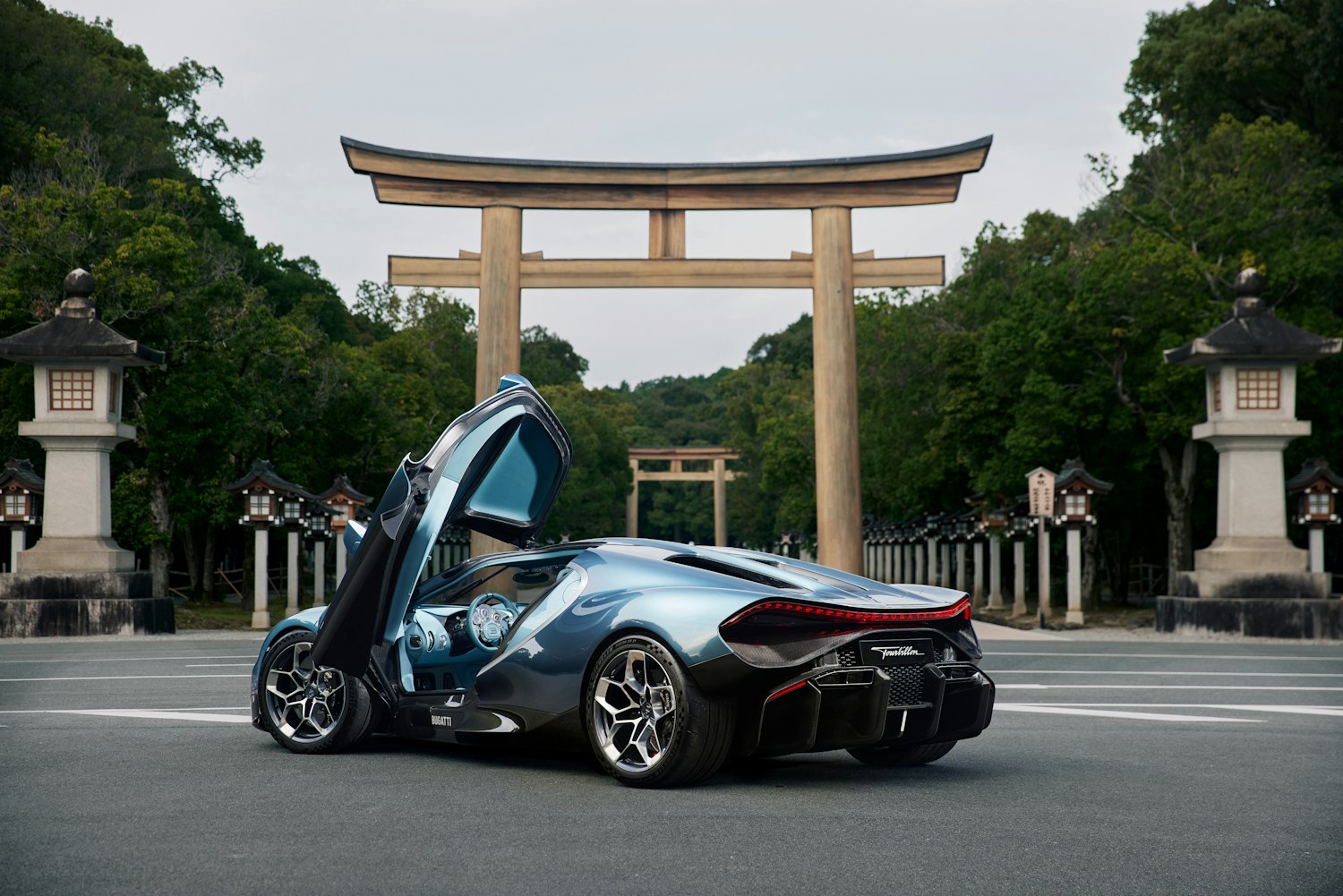
The V16 is not a reaction against electrification. It is indifference to the debate. A confidence that at €3.8 million, with 250 build slots that resolved themselves in weeks, the market for this specific kind of mechanical soul requires no justification.
History will decide whether Bugatti was right.
The sound of those sixteen cylinders at nine thousand revolutions per minute will make the argument in real time.
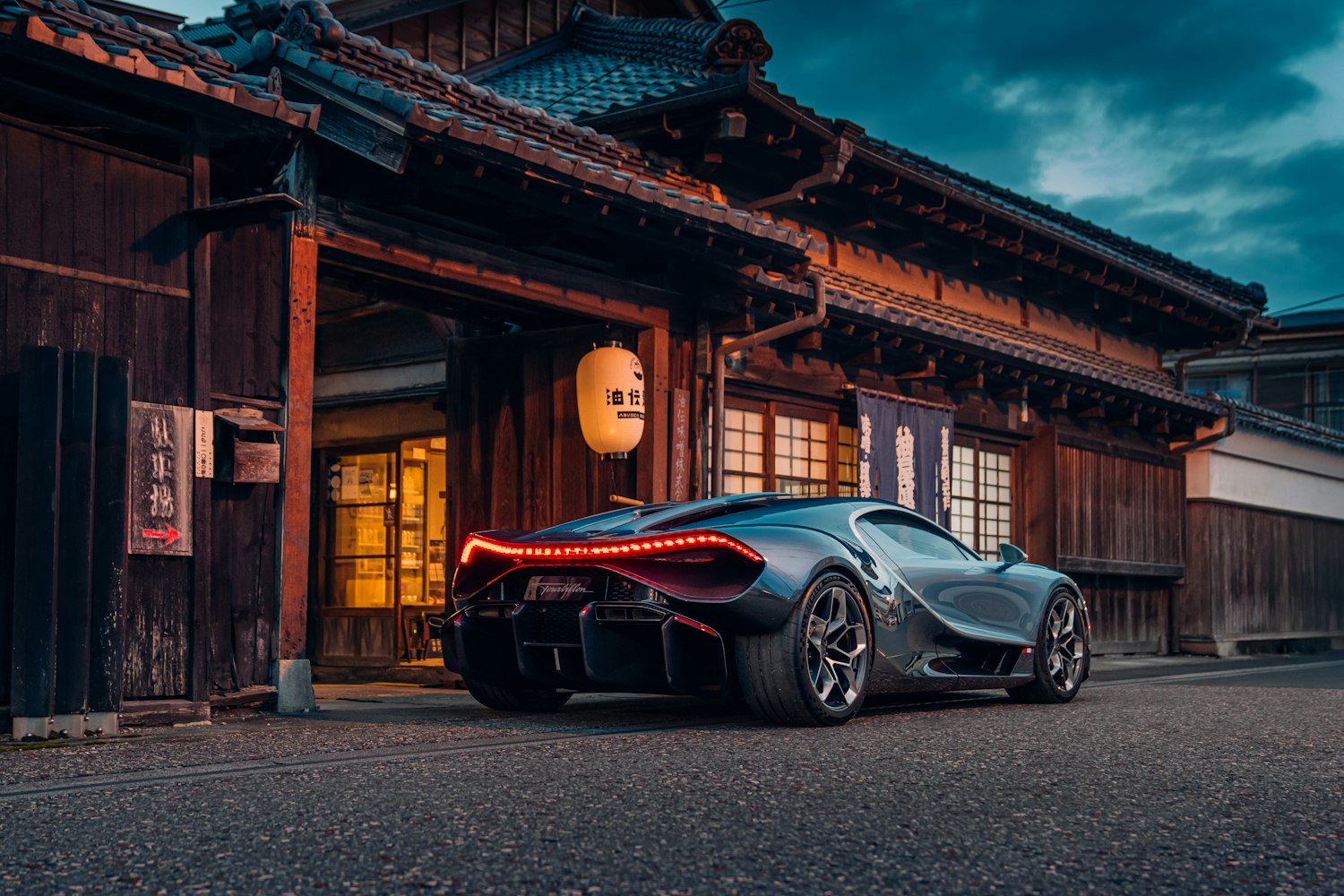
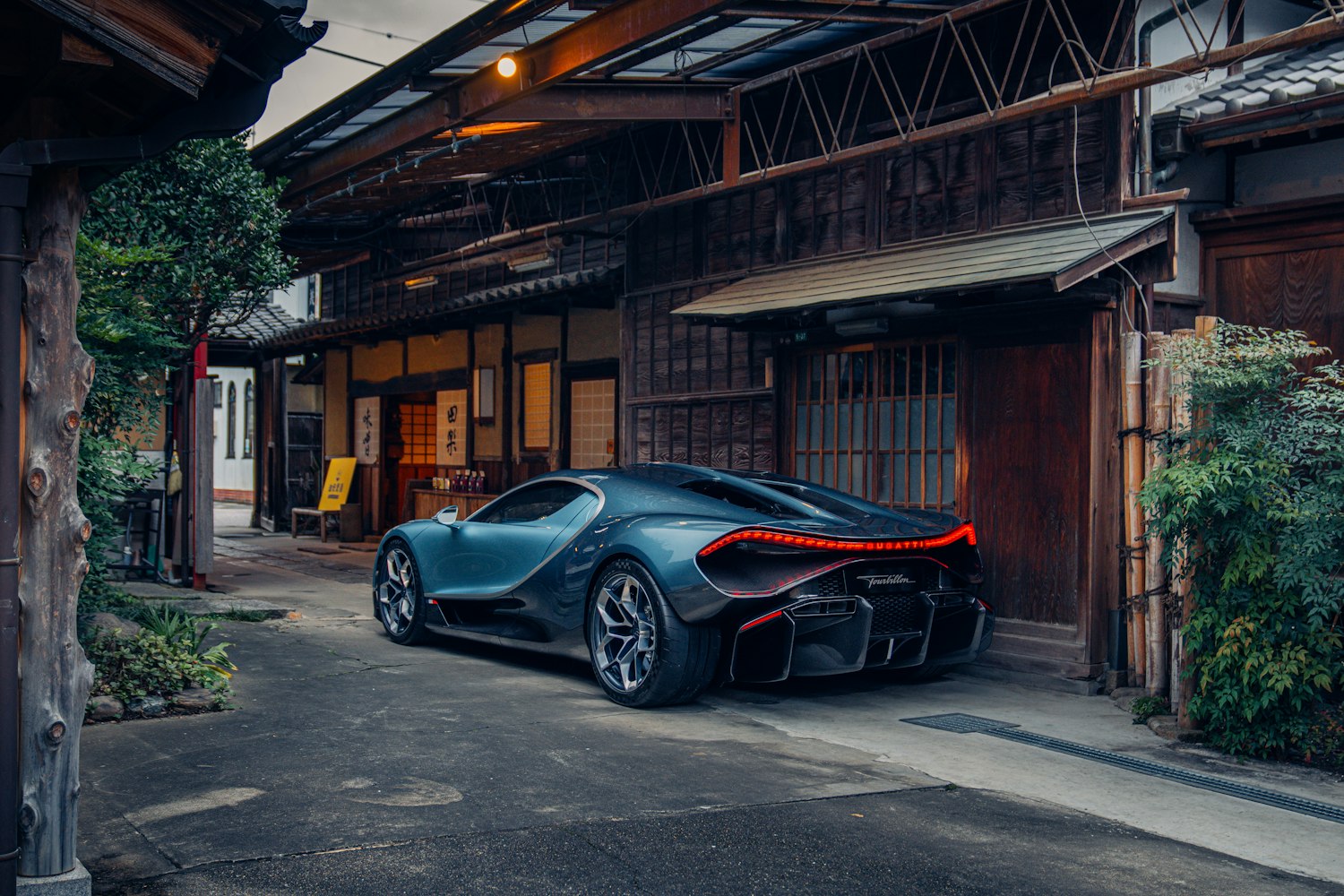
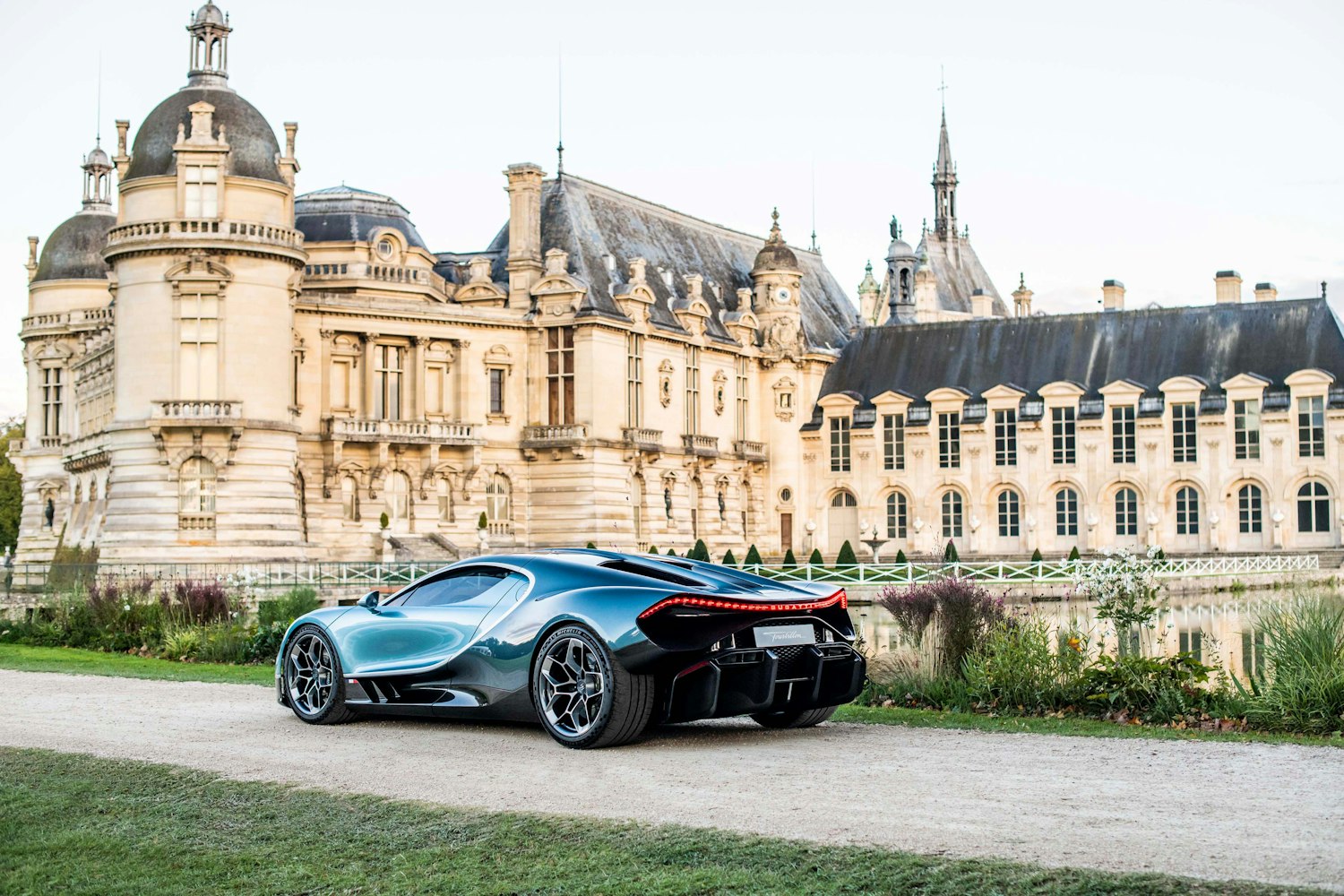
The obsession is real.
So is the collection.