The Art of Breathing
No turbos. No shortcuts. Just air, fuel, and mechanical genius.
The greatest naturally aspirated engines ever put in a car.
Why Naturally Aspirated Engines Still Matter
Turbocharged engines are faster. The numbers don't lie — forced induction delivers more power per litre, more torque lower in the rev range, and better efficiency on paper. Modern F1, modern hypercars, modern everything runs on boost. Evo Magazine and Top Gear have both documented the extinction of the great naturally aspirated engines as one of the defining shifts in modern automotive culture.
And yet, something is missing. Something that can't be measured on a dyno but is immediately felt the moment you bury the throttle and wait — wait — for a naturally aspirated engine to find its voice at six, seven, eight, nine thousand rpm. The linear climb. The mechanical scream at the top. The feeling that the engine is working for every single horsepower it produces, and that you are working with it.
These are the greatest naturally aspirated engines ever built. The ones that made people understand why this matters — and why no turbocharged unit will ever fully replace them. If you're building a collection, our first supercar buyer's guide covers exactly which of these engines is still accessible today.
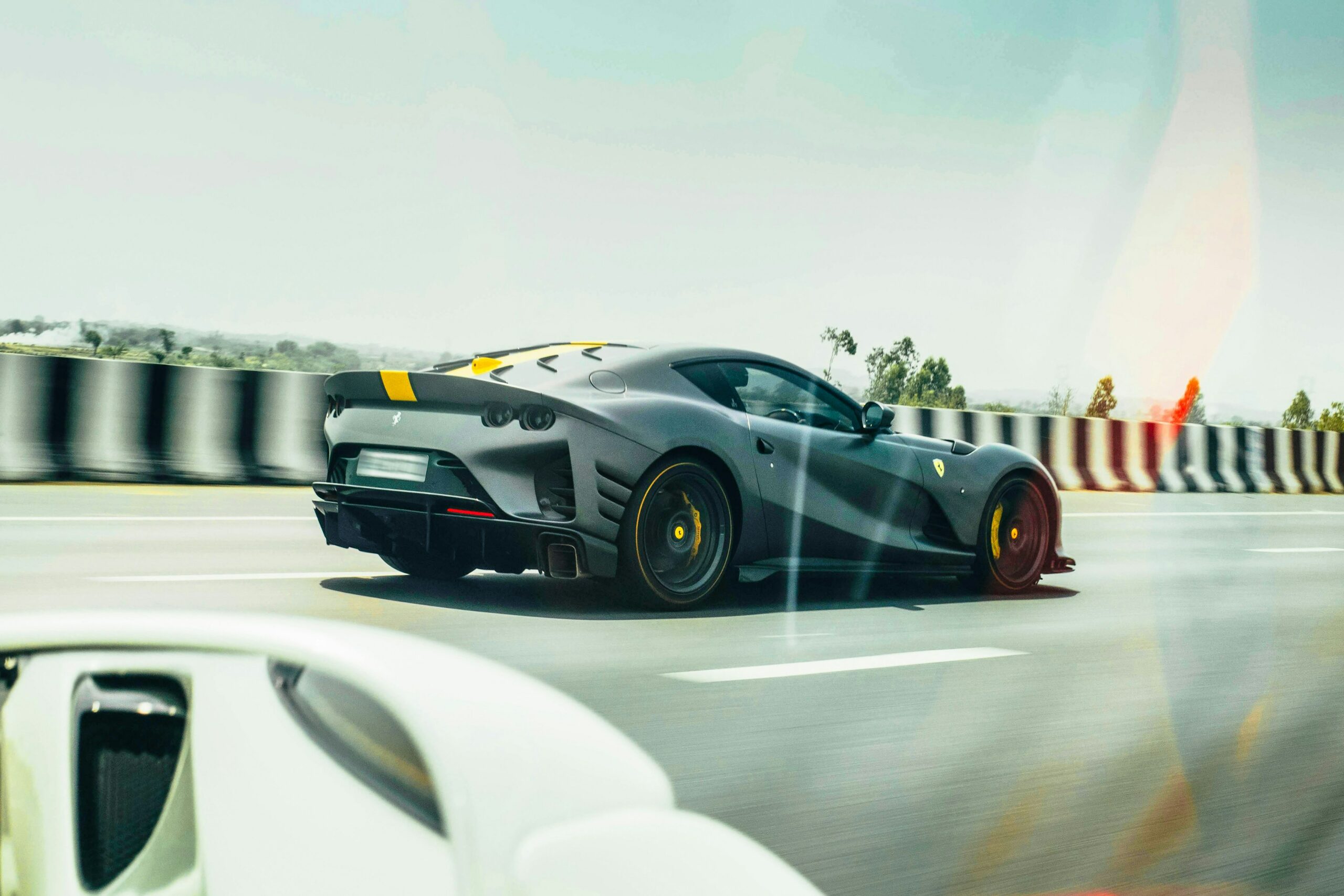
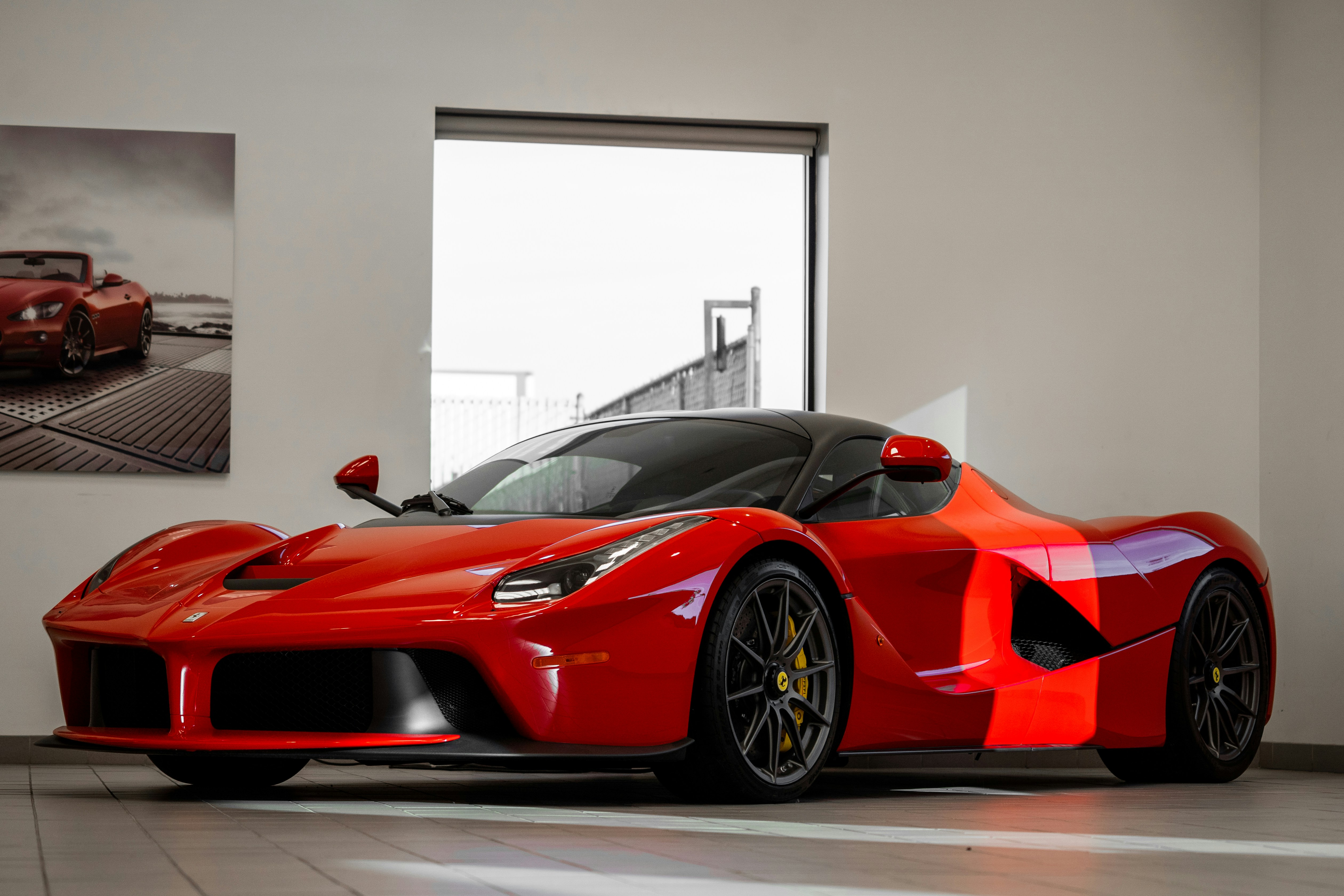
Ferrari's F140 is not just an engine — it is a philosophical statement. At a time when every other hypercar manufacturer was reaching for turbochargers and hybrid assistance, Ferrari built the LaFerrari around a naturally aspirated 6.3-litre V12 that produces 789 horsepower on its own, before the hybrid system adds its 161 hp. The V12 revs to 9,250 rpm and sounds like nothing else that has ever existed in road car form. It is the engine Enzo Ferrari would have approved of — excessive, operatic, and completely uncompromising. When production ended, it marked the last time Ferrari put a pure NA V12 in a road car as its primary powerplant. That fact alone makes it irreplaceable.
The 9A1 is what happens when an engineering team refuses to accept that a 4.0-litre engine producing 502 horsepower and revving to 9,000 rpm is not enough. Porsche has been refining the flat-six since 1963. The version that lives in the current 911 GT3 is the culmination of sixty years of accumulated knowledge, applied to a single obsessive objective: making an atmospheric engine that feels alive in every gear, at every speed, on every road. The throttle response is instantaneous. The power delivery is perfectly linear. And the sound — from the first blip to the full-noise assault at redline — is the reason why Porsche GT car owners drive their cars instead of storing them.
The 9A1 lives today in the 911 GT3 S/C — the first open-top GT3 Porsche has ever built, revealed in April 2026.
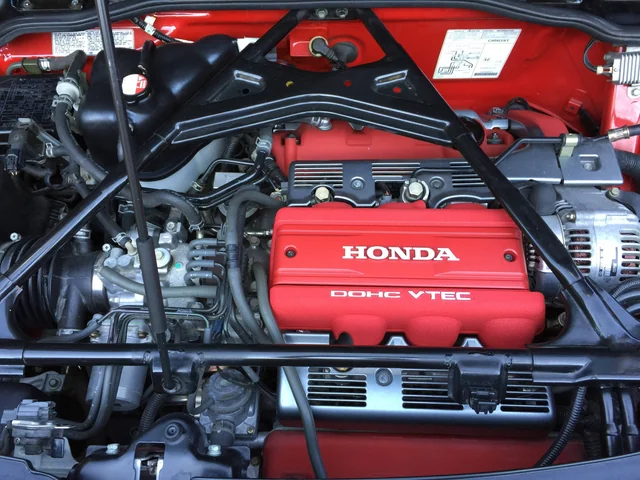
On paper, 290 horsepower sounds modest. In reality, the C32B in the Honda NSX-R is one of the most extraordinary pieces of engineering in automotive history. Designed by a team led by Ayrton Senna — who spent days at the Suzuka circuit feeding back on the original NSX's dynamics — the engine was hand-assembled by a single technician from start to finish. Each unit was run on a test bench for an hour before being certified. The result is an engine of surgical precision: high-revving, naturally aspirated, with a throttle response that felt impossibly direct for its era. It proved that a Japanese manufacturer could build a supercar engine that belonged in the same conversation as Ferrari. Nobody argued after driving one.
Lamborghini spent decades as a V12 house. The V10 that arrived with the Gallardo in 2003 — and was perfected in the Huracán — changed that conversation. The 5.2-litre L539 is raw in a way that modern engines simply aren't. At 8,000 rpm, it produces a sound that is simultaneously mechanical and savage — ten cylinders firing in a sequence that feels like controlled violence. 631 horsepower in the Huracán Performante, delivered without a single turbo, without a single layer of electronic buffering between the engine and the driver's right foot. Lamborghini has since moved to a hybridised V8 for the Urus and supplemented the V10 in the Huracán. This engine will not return. The last examples deserve to be driven hard and often.
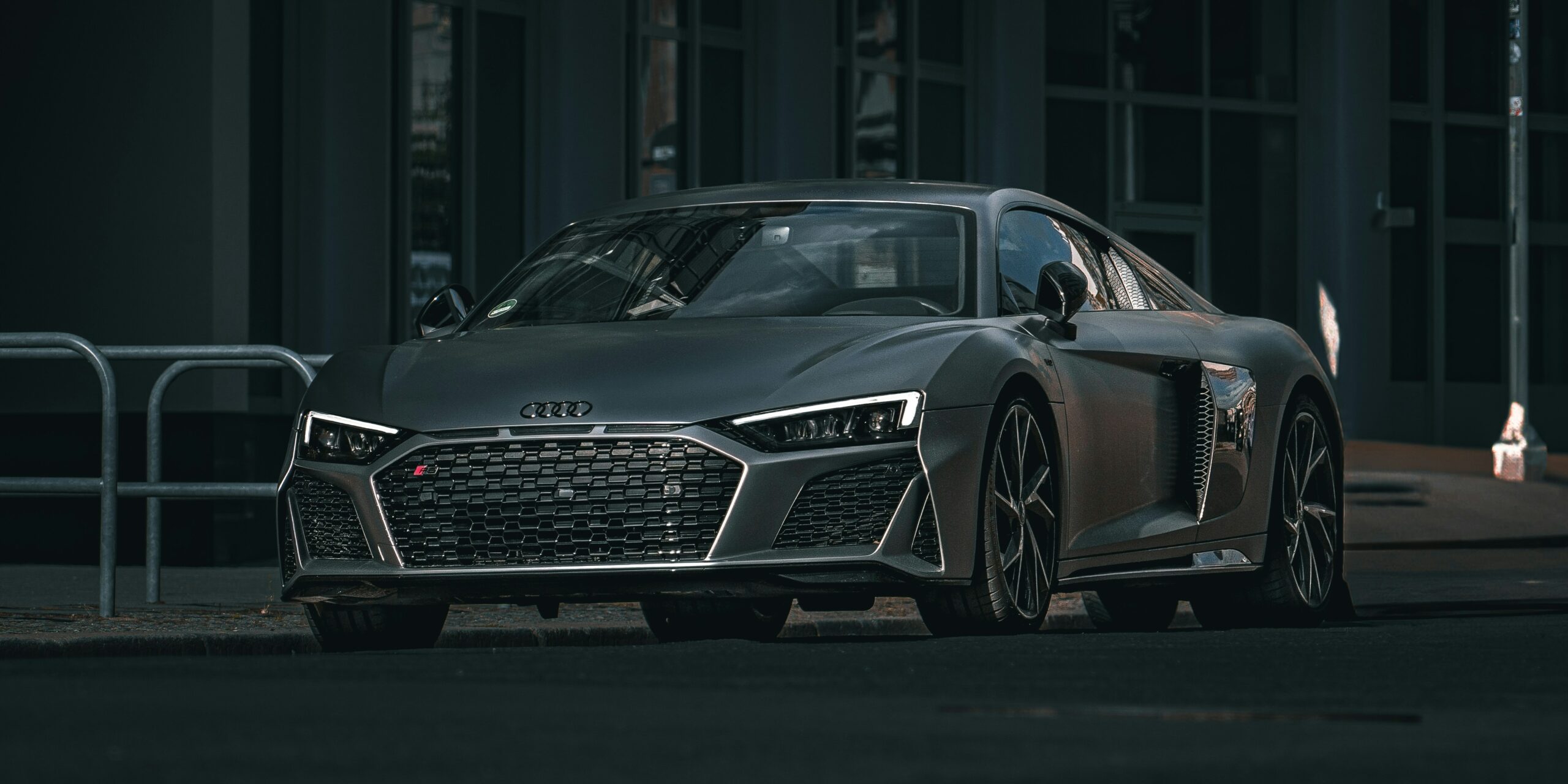
The Audi R8 V10 shares its architecture with the Lamborghini Huracán — both cars descend from the same Volkswagen Group platform, sharing the same fundamental engine. But the R8 wraps it in a different character entirely: more civilised on the outside, every bit as explosive when asked. The FSI V10 in the final R8 V10 Performance produces 620 horsepower and revs to 8,700 rpm. Audi has discontinued the R8 entirely. The FSI V10 will never appear in another production car. If you want one, the window is closing — and used prices are already beginning to reflect what enthusiasts already knew: this was one of the last great naturally aspirated V10s, and it will not be replaced.
BMW's decision to put a Formula 1-derived V10 into a four-door saloon in 2005 remains one of the most audacious acts in automotive history. The S85 was derived directly from BMW's Formula 1 engine programme — ten cylinders, 507 horsepower, and a redline at 7,750 rpm that felt completely alien in a car that could carry four adults and their luggage. The throttle response was instantaneous and linear. The sound at full chat was the sound of something that had no business being in a road car. BMW has never built anything like it since. The S85 remains the benchmark for what happens when a manufacturer decides to ignore every commercial constraint and simply build the best possible version of an idea.
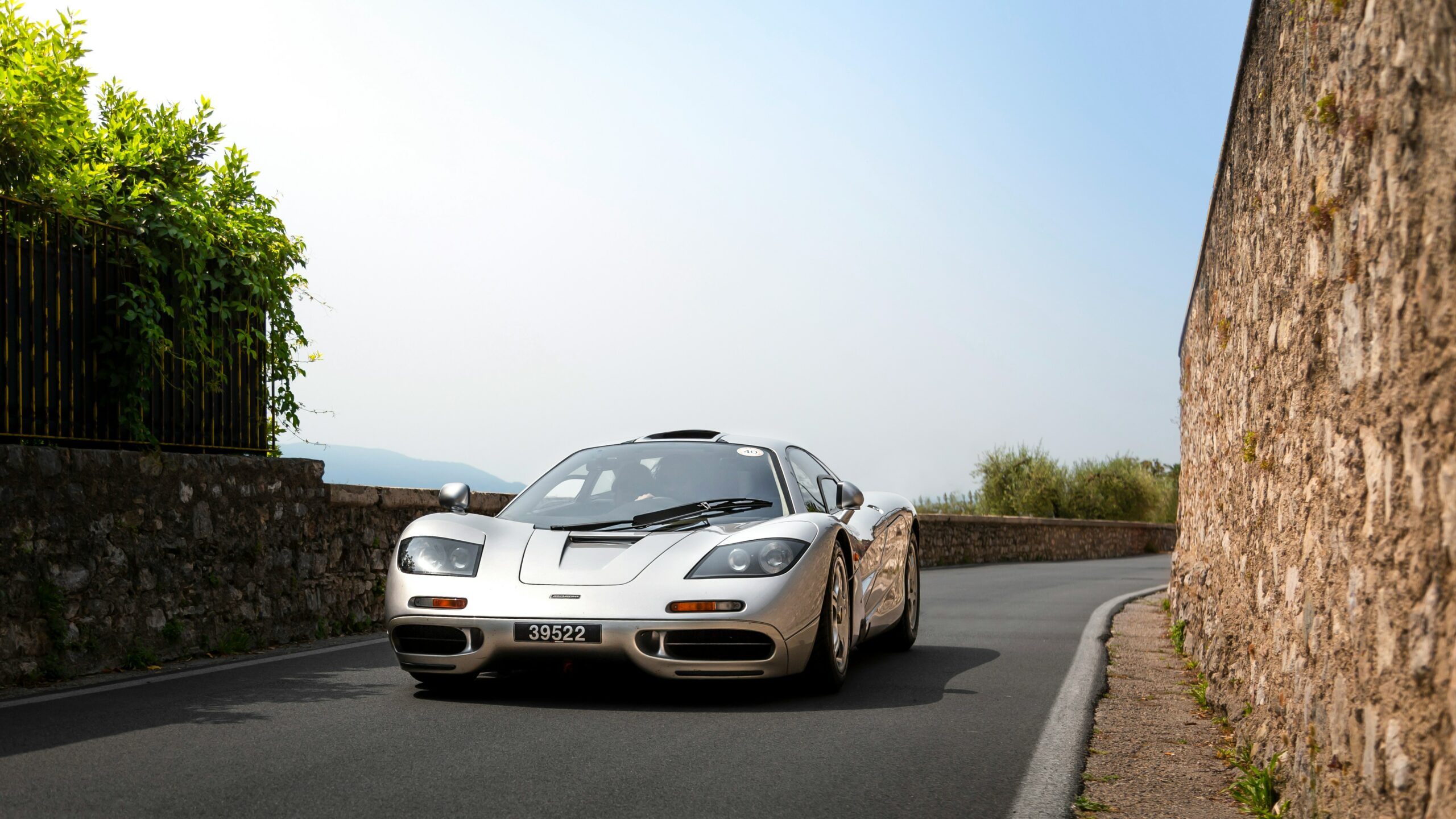
Gordon Murray specified a V12 for the McLaren F1 because he believed it was the only engine configuration capable of delivering the power, refinement, and character the car deserved. BMW's Paul Rosche designed the S70/2 from a blank sheet of paper in eleven months. The result was an engine so advanced for its era — 627 horsepower from 6.1 litres, naturally aspirated, in 1993 — that the McLaren F1 held the production car top speed record for seven years. The S70/2 is the engine that proved naturally aspirated engines had not yet reached their ceiling. Three decades later, it still hasn't been surpassed in the category that matters most: the ability to make everyone who hears it stop whatever they're doing.
"A naturally aspirated engine doesn't lie.
Every horsepower is earned."
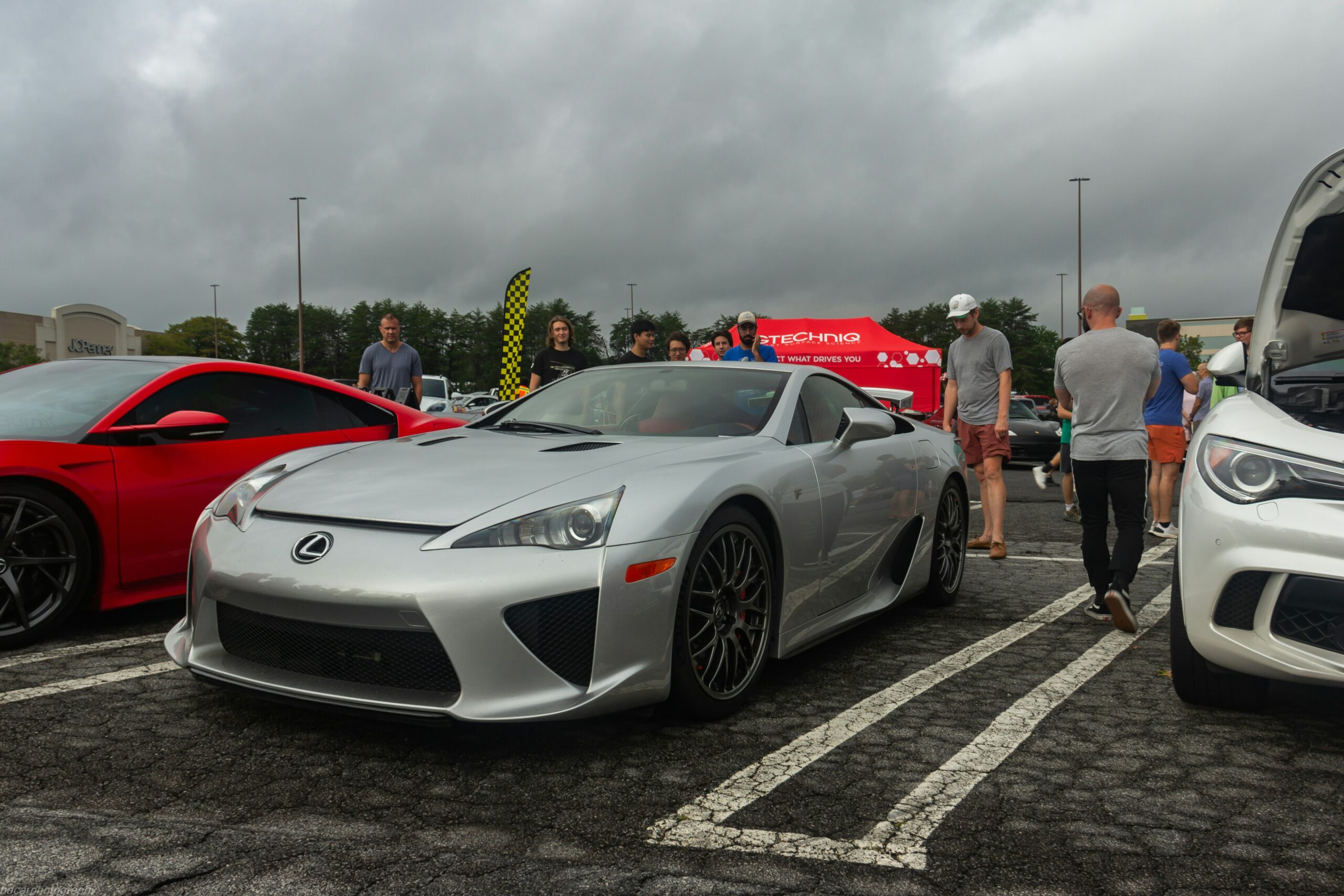
Toyota spent a decade developing the LFA. The 2UR-GSE V10 — which revs to 9,000 rpm and produces 553 horsepower from 4.8 litres — is the reason. The engine's throttle response was so fast that Yamaha, which developed the unit in partnership with Lexus, had to redesign the analogue rev counter three times because digital displays were too slow to track the engine's movements accurately. The LFA V10 sounds like a racing engine because it effectively is one: the intake note at full throttle is a mechanical shriek that has no equivalent in road car history. Only 500 were built. All 500 were sold before a single car was delivered. The engine is the reason.
Everything about the Viper's V10 is excessive by design. 8.4 litres. 645 horsepower. Ten cylinders making torque in quantities that feel geologically significant. Where European NA engines reach for high revs and precision, the Viper V10 reaches for displacement and brutality. There is no traction control in the traditional sense. There is no safety net between the engine and the road. The Viper is the American answer to the question of what a naturally aspirated engine should be — and the answer is: as large as physically possible, with the consequences left entirely to the driver. That philosophy ended in 2017 when Dodge discontinued the Viper. No replacement has been announced. The 8.4 remains, in the truest sense, irreplaceable.
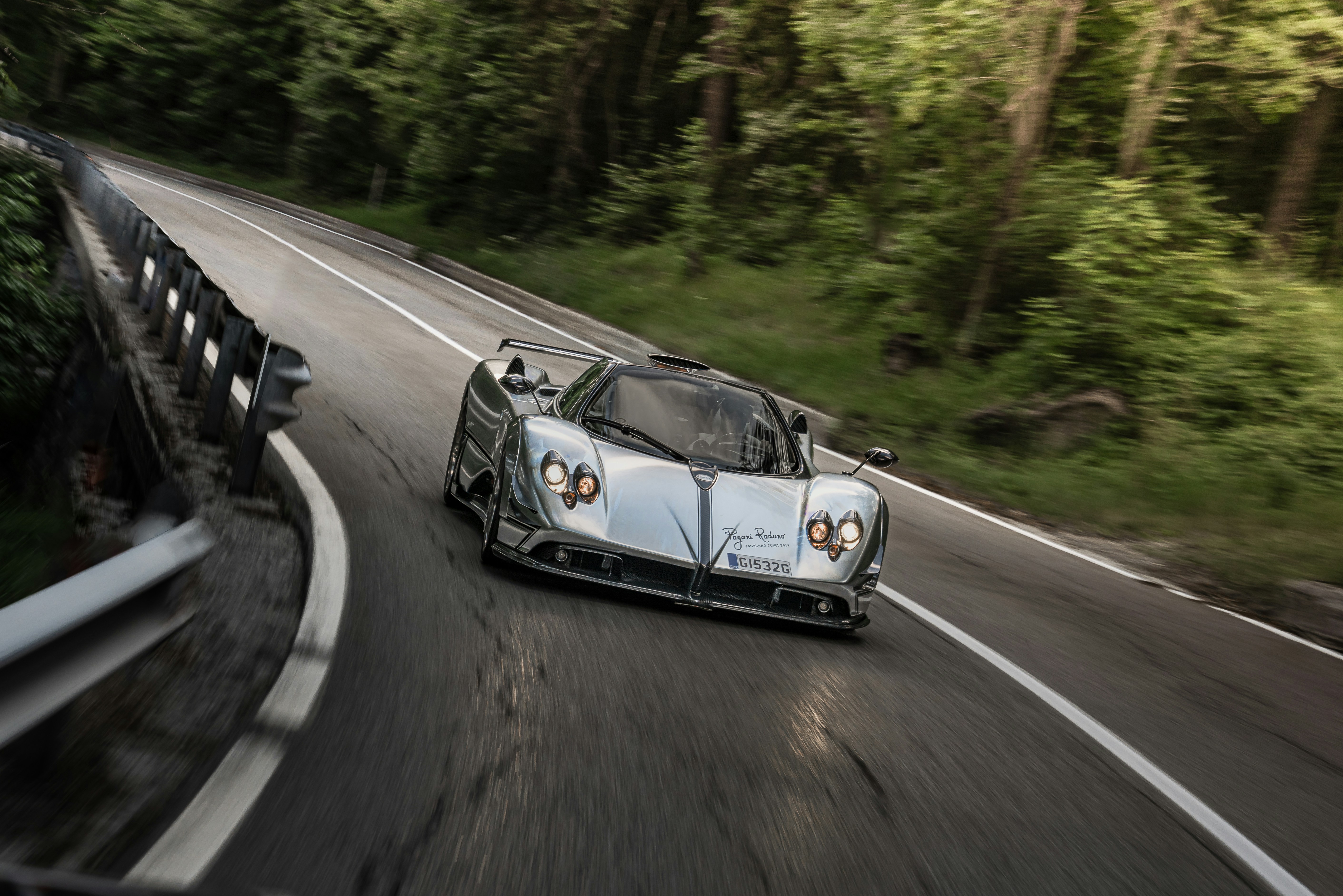
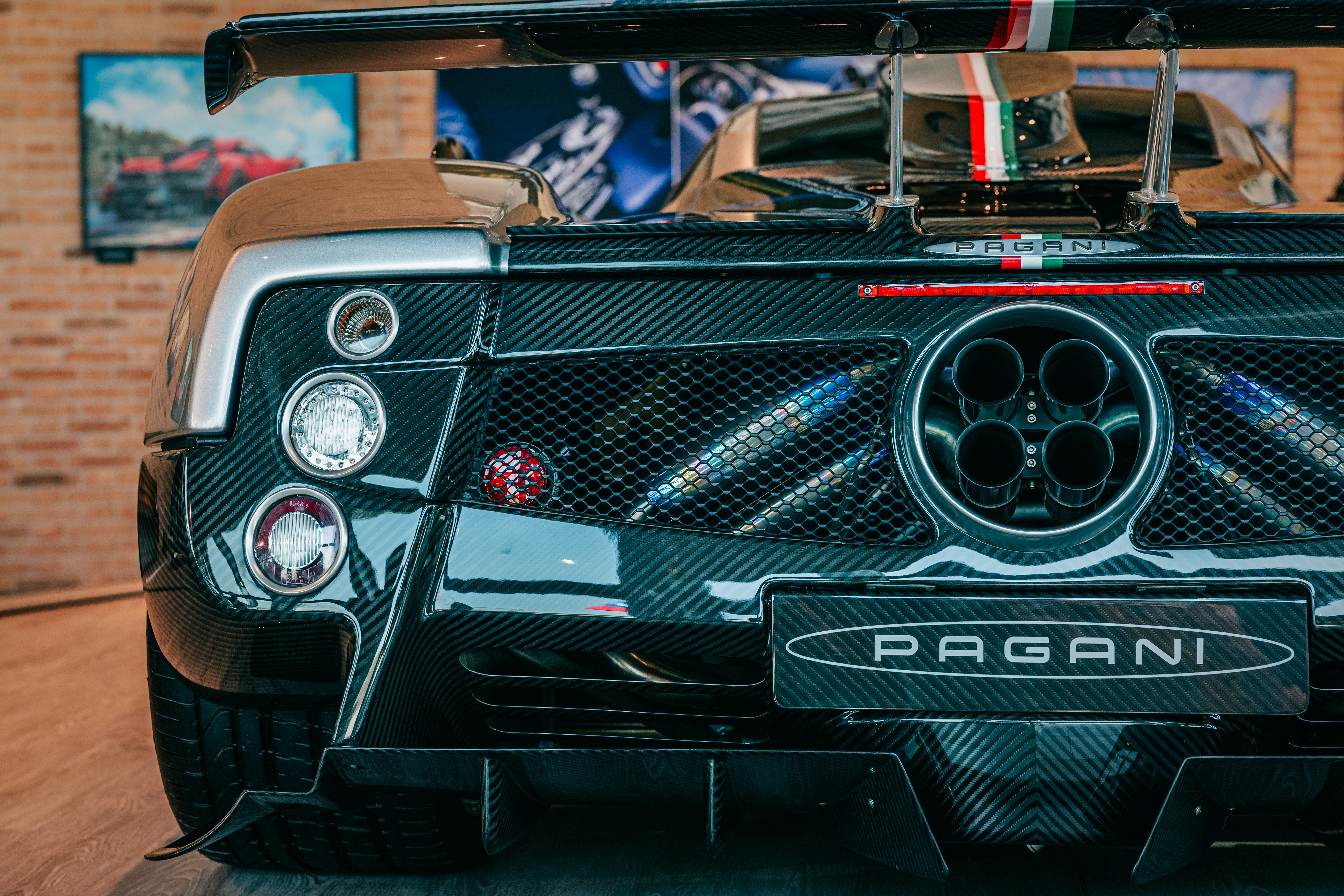
Horacio Pagani went directly to Mercedes-AMG and asked for the most extreme naturally aspirated V12 they could build. AMG delivered the M120 — a 7.3-litre unit that was hand-assembled by a single AMG technician, signed by the engineer who built it, and then handed to Pagani to install in a carbon-titanium chassis that weighed next to nothing. In the Zonda F, it produces 602 horsepower. In the track-only Zonda R, it reaches 740 horsepower, still without a single turbocharger. The M120 is one of the last great examples of what a displacement-first philosophy produces when executed without compromise: a naturally aspirated V12 that fills the entire rev range with usable, addictive, irreplaceable power. AMG no longer makes it. Pagani has moved to twin-turbocharged V12s for the Huayra. The Zonda and its engine belong to a closed chapter — one that will be discussed for as long as people care about how engines are meant to feel.
The automotive industry has made its choice. Electrification, hybridisation, forced induction — the era of the pure naturally aspirated supercar engine is closing, one model discontinuation at a time.
What these ten engines share is something that cannot be engineered into a turbocharged unit by adding boost: the feeling that every revolution is earned. That the relationship between throttle input and engine response is direct, honest, and unmediated. That you are not driving a system — you are driving an engine. The distinction matters enormously to the people who care about it.
Drive one while you still can. The sound these engines make at full throttle, at full revs, on the right road — that is what the obsession sounds like.
The obsession is real.
Where speed meets soul.